Hiking & backpacking
50-70L frames, ventilated back panels and hip-belt load transfer for multi-day trail programs.
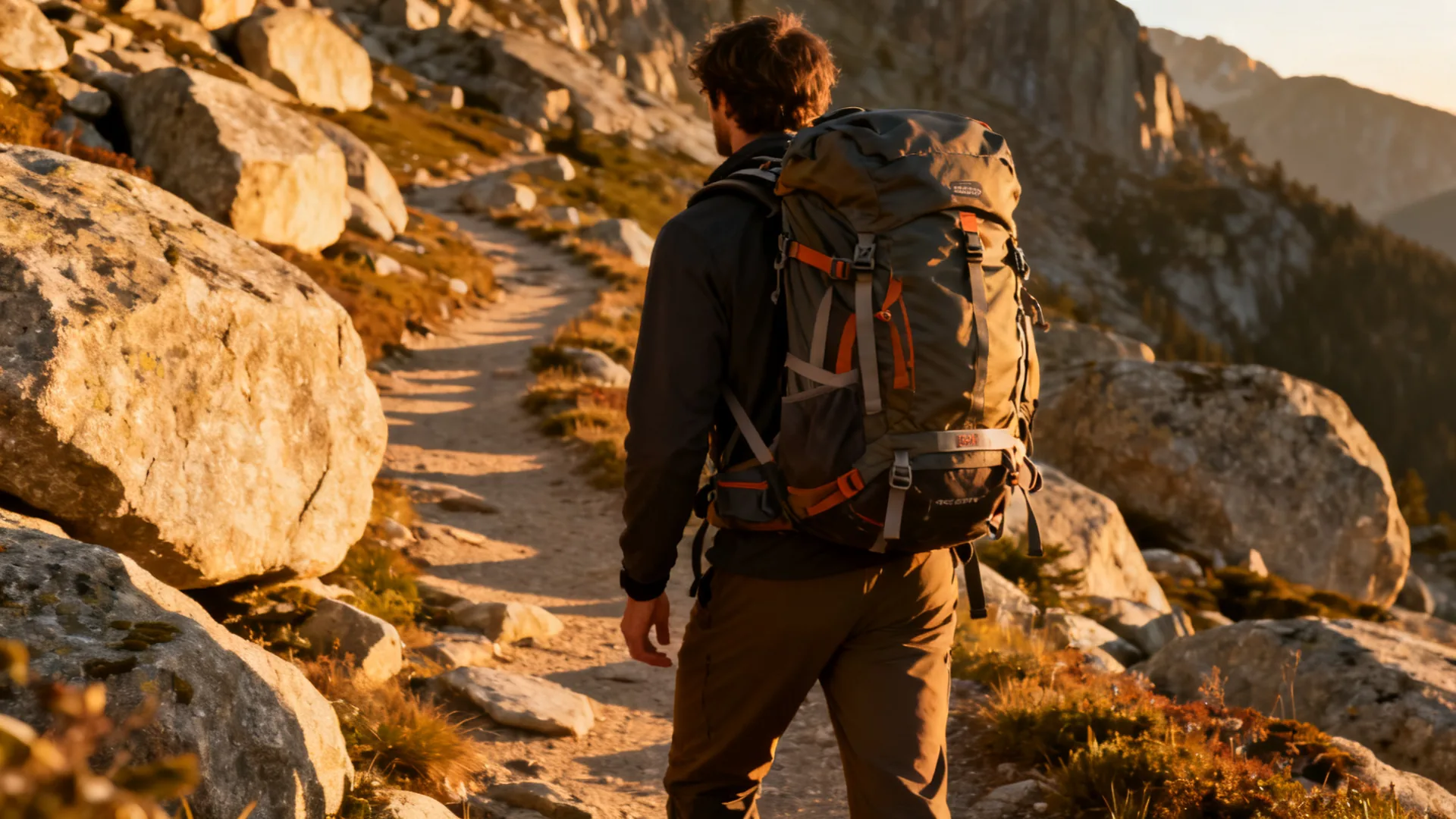
Compare daypacks, hiking packs, travel duffels and hydration carry by capacity, fabric denier and channel mix before you lock a seasonal buy.
These are the SKUs that usually open a Champion conversation. Specs below are program ranges, not a promise that every colorway ships at the same denier.
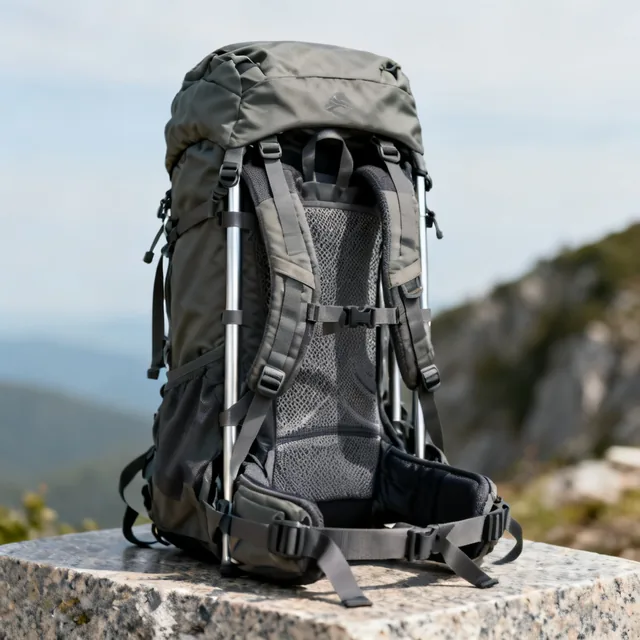
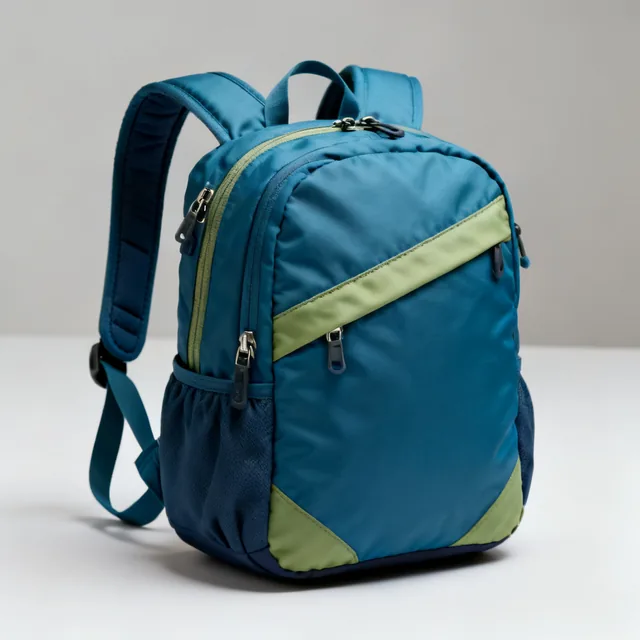
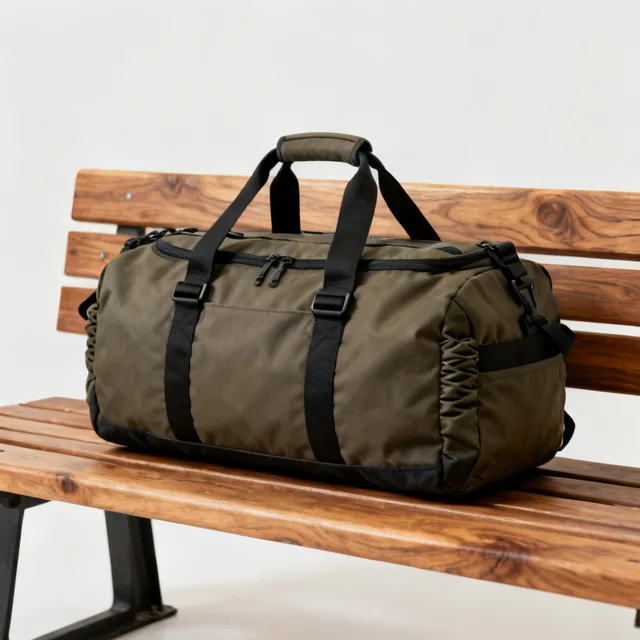
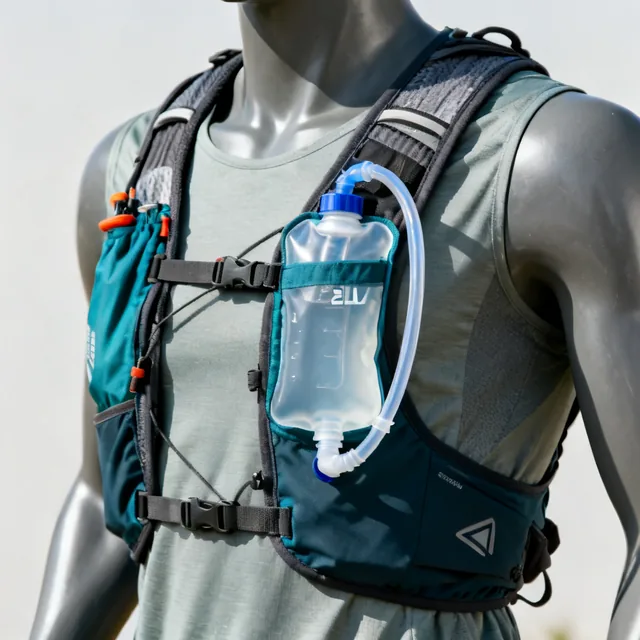
Stock wholesale is faster: Champion can quote from current daypack, duffel and hydration silhouettes, often with a lower opening quantity. Private-label OEM is the better path when you need your own colorway, hangtag, logo placement and carton marks. The trade-off is MOQ, usually 300 pcs per colorway, and a 12-18 working-day sampling window after artwork is frozen.
No. A PU or DWR finish on 420D ripstop nylon is water-resistant and is usually specified around 1,500 mm hydrostatic head. A laminated membrane, including GORE-TEX where the program is licensed, can be specified near 10,000 mm and stays more breathable, but it costs more and needs care instructions. Champion will not label a DWR daypack as waterproof.
210D keeps hydration vests light. 420D ripstop is the usual daypack body. 600D handles hiking packs that see granite abrasion. 1000D is reserved for duffel bases and haul panels. Higher denier raises packed weight; it does not automatically raise hydrostatic head.
Typical pack programs can include ISO 9001:2015 process certificates, amfori BSCI social-audit summaries, OEKO-TEX STANDARD 100 reports on textile contact parts, and REACH statements. bluesign-approved body fabric is available when the colorway is planned on that mill. Youth packs for North America need a CPSIA discussion before sampling, not after cartons are taped.
A useful brief names the trail, commute, travel or team use, the capacity band, and whether you need stock cartons or a private-label hangtag set.